

History of Babetta
Babetta was a brand of mopeds that was produced in Slovakia by the Považské strojárne company in Považská Bystrica. Later the manufactory of Babetta moved to Kolárovo.
Babetta mopeds were used as small vehicles to go shopping for groceries and to travel to work. They are mostly known for their easy repairability and unreliability.
The first Babetta moped, the Type 28/228, was produced from 1970 to 1972. It was equipped with a 50 cc two-stroke engine that used a Jikov 2909 DC carburetor and had a maximum power output of 1.1 kW at 4,500 rpm. The Type 28/228 had a top speed of 40 km/h and an average fuel consumption of 1.8 liters per 100 km. It also had a fuel tank capacity of 3 liters, with an additional 0.5 liters of reserve, and weighed just 42 kg.
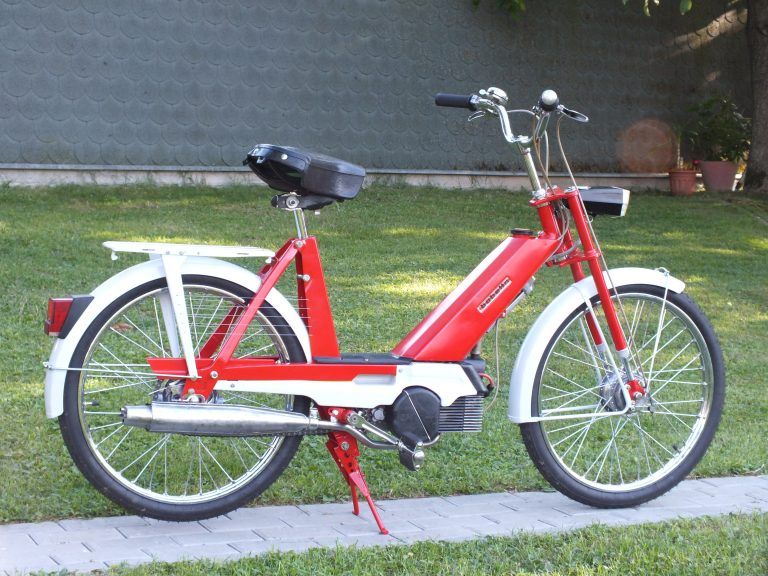
In 1972, the Type 207 moped replaced the Type 28/228. It featured new 16-inch wheels and later a rear suspension, as well as thyristor ignition and a new front fork with long handlebars and cuffs. The Type 207 had a maximum power output of 1.5 kW, with some versions reaching up to 1.75 kW.
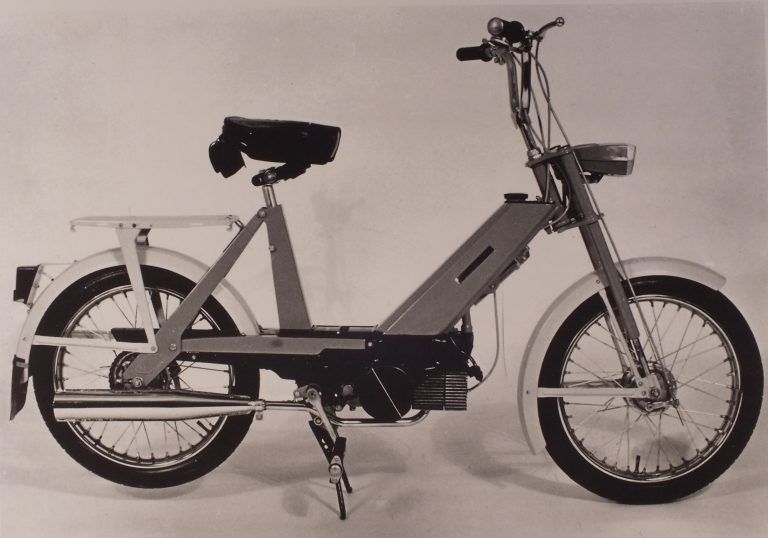
The Type 207 Supreme was designed specifically for the US market and featured a Magnum tank, Giuliari seat, and Domino levers. It had a top speed of 30 mph.
In 1983, the Type 210 moped replaced the Type 207. It featured a new engine with increased power and a two-speed automatic transmission. It was available in a range of equipment options, including turn signals, cast wheels, and various seats and accessories. It was capable of speeds of up to 50 km/h.
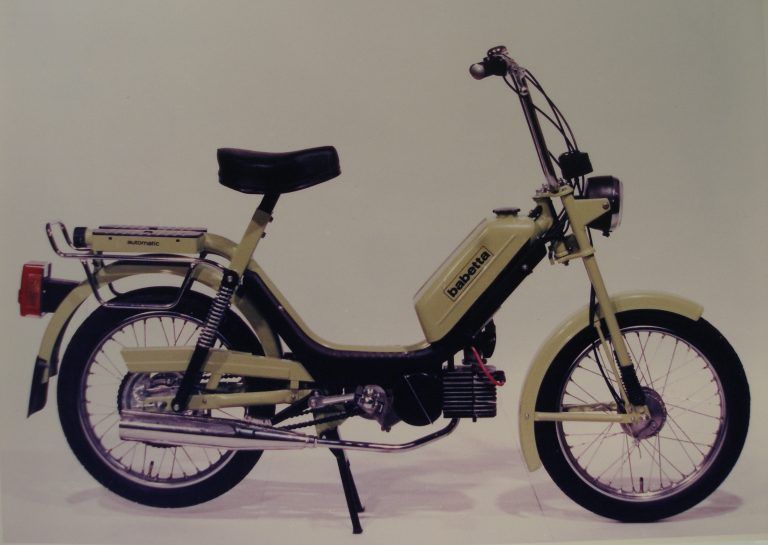
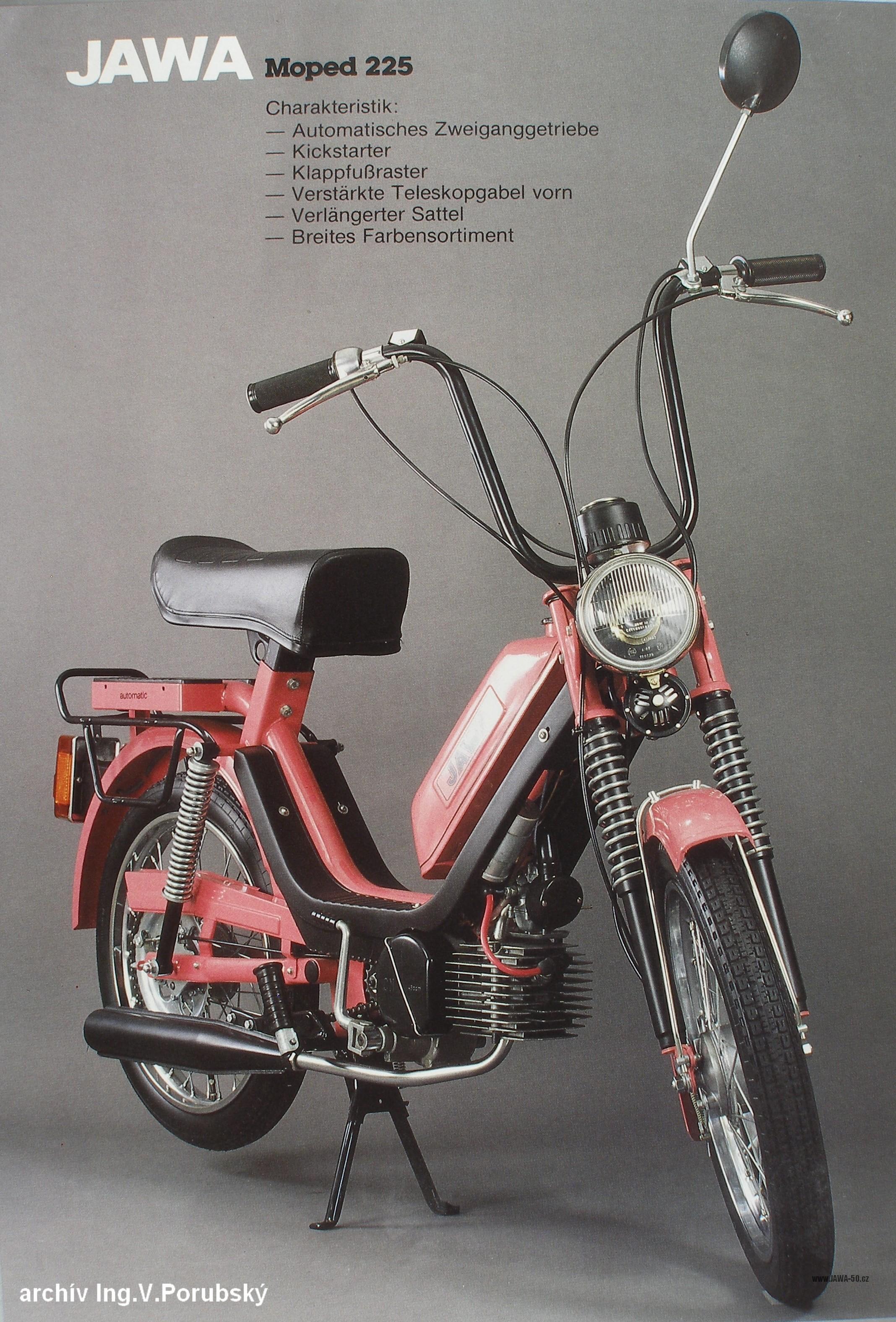
The Type 215 was derived from the Type 210 and featured a single-speed gearbox, which made it less prone to malfunctions. The Type 225, also known as the MOKIK, was equipped with a two-speed gearbox from the Type 210 and had a classic design with risers. It was started using a foot starter lever on the right side of the motorcycle.
The Type 226 was designed for two people and featured an elongated seat, rear footboards, and a semi-automatic two-speed gearbox. It was eventually fitted with a rear wheel from the Jawa 50, but was eventually withdrawn from sale due to weak brakes that caused frequent crashes.

Other Babetta mopeds included the Type 134 Stella and its variant, the Hooper, which featured a fairing; the Type 210 sport, a successor to the 207 Supreme with a top tank and long saddle; the Type 161 MX, a children's motocross motorcycle; and the Type 193 Sting, which featured a new frame, revised 210 engine, and later a Rizzato engine. There were also several prototypes, including the Lambada, Falco, Elstar, and Minitta.
Overall, Babetta mopeds were popular and well-regarded for their innovative features. They were produced for nearly three decades, until the end of production in 1999.